




































Introducing a new puppy to your current dog is often an exciting process, and many dogs will become fast friends and eas...
Read MoreAdopt Me

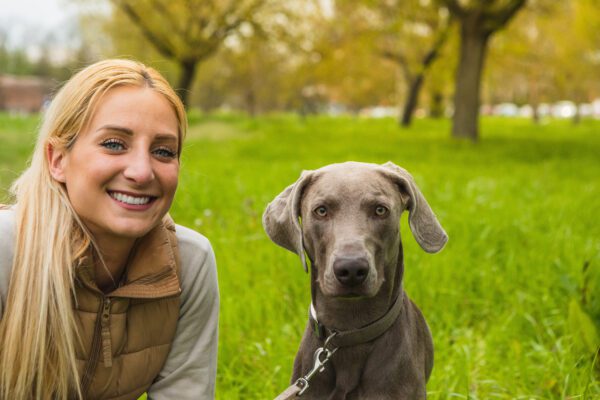
The Blue Lacy is an agile working breed that is loyal, intelligent, and highly driven. This dog bonds closely with its handler and thrives when it has a job to do. Many people in New York choose the Blue Lacy because the breed loves running, tracking, and problem solving, and it offers an energetic partner for outdoor adventures and training sports.
Successful adoption starts with research. A Blue Lacy needs daily exercise, structured training, and consistent mental work. Adoption is preferable to buying because adoption gives a dog a second chance, supports ethical rescue, and often includes helpful veterinary care. Many adoption counselors guide you toward a dog whose energy level and temperament match your household.
New York offers both opportunity and challenge for this breed. Urban neighborhoods bring crowds, traffic, and constant noise, which means you must build strong leash skills and impulse control. Suburban and upstate areas provide space and trails for long runs and scent games. Winters are cold and icy in much of the state, so your Blue Lacy benefits from a warm coat, paw protection, and shorter outdoor sessions on the coldest days. Summers are humid, so you must schedule shade breaks, carry water, and rest during peak heat. With a reliable exercise plan and training routine, a Blue Lacy can thrive anywhere in New York.
You can avoid searching shelters and rescues separately by using the adoption listings at Dog Academy. These listings let you filter by location, age, and temperament so you can quickly find a match. Dog Academy also provides educational guides and adoption checklists that help you prepare your home, plan your budget, and schedule your first week with your new dog.
Expand your search to local animal shelters, regional rescues, and breed-specific rescue groups. The Blue Lacy is uncommon in New York, so many available dogs appear through regional networks. Rescues often arrange transport to move dogs between states when a good match is found. Transport is typically coordinated by volunteer drivers or licensed carriers, and the rescue manages health certificates, timing, and safe handoffs so the dog arrives ready to meet you.
Start by browsing listings and reading full profiles. Profiles usually outline age, size, temperament, energy needs, training history, and any medical updates. Submit an application that explains your schedule, housing details, experience with active dogs, and exercise plans. Many groups contact your references, confirm landlord approval when you rent, and speak with your veterinarian if you have pets.
Meet-and-greets may happen at a shelter, at a neutral outdoor space, or by video when distance makes travel difficult. Home checks are common and can be virtual or in person, because the group wants to confirm safety, secure storage for food and chemicals, and appropriate containment plans. Approval timelines vary by group, but many New York adopters move from application to decision within 1 to 3 weeks, depending on scheduling and the number of applicants.
Final steps include signing an adoption contract, paying the adoption fee, and scheduling pickup or confirmed transport. Ask for recent veterinary records, feeding instructions, and any behavior notes so you can support a smooth transition from day one.

|
How Much Does It Cost to Adopt a Blue Lacy in New York?In New York, most adult Blue Lacy adoptions cost $275 to $525. Puppies typically cost $350 to $650. Fees trend slightly higher when the dog arrives from out of state or when demand is high for a rare working breed. Age, prior training, recent medical care, and overall demand all influence the final fee. Adoption fees usually include spaying or neutering, vaccinations, microchipping, and veterinary exams. Some groups add a modest transport surcharge when transport is arranged by rescues to move dogs between states, which commonly ranges from $100 to $200 to cover fuel, health certificates, and logistics. Ask for an itemized breakdown so you know exactly what your fee supports. |
How Should I Train a Blue Lacy?The Blue Lacy is intelligent, eager, and responsive, which makes training rewarding. This breed learns quickly when you use clear markers, timely rewards, and short, focused sessions. Harsh corrections can shut the dog down, so positive reinforcement and consistent structure work best. Many owners succeed by channeling energy into tracking games, scent work, and structured running. Start with foundation skills that matter in New York life. Build reliable name recognition and recall. Practice loose-leash walking around bicycles, strollers, and traffic. Teach impulse control around wildlife and other dogs. Add polite greetings, a solid crate routine, and a calm settle on a mat for cafes or offices. Provide daily mental outlets through hide-and-seek, nose work, puzzle feeders, and obedience drills that include down-stays and controlled releases. For step-by-step guidance that fits a busy schedule, explore Dog Academy’s online training courses. Lessons follow a clear progression, include homework plans, and offer indoor alternatives for winter. Courses also show how to break big goals like recall and loose-leash walking into small wins you can practice in hallways, lobbies, and quiet streets. |

|
The ideal owner enjoys daily exercise, consistent training, and purposeful engagement. A fenced yard helps, but a structured plan that uses long-line walks, regular trail time, and indoor enrichment can meet this breed’s needs in any neighborhood. Your Blue Lacy will thrive when you provide clear rules, predictable routines, and plenty of chances to use its nose and brain.
Preparation sets you up for success. Gather supplies, choose a veterinarian, map safe walking routes, and plan for winter gear and summer hydration. Take your time, ask detailed questions, and meet more than one dog if needed. When you are ready to adopt a Blue Lacy in New York, use the listings and guidance from Dog Academy to find a great match and start strong on day one.
Introducing a new puppy to your current dog is often an exciting process, and many dogs will become fast friends and eas...
Read More
Rescue dogs can make great companions and can transform your home into something better. These dogs make great pets and ...
Read More
You should never rush to pet a dog. Even dog owners make the mistake of approaching unfamiliar dogs and petting them rig...
Read More
Puppy mill dogs are survivors who have endured extreme hardships in their lives. They have grown up in horrendous, unsan...
Read More
With their wagging tails and comforting presence, adopting a dog can add a unique touch to your life. It’s a heart...
Read More
Older dogs may have a few gray hairs around the edges, but that doesn’t mean they can’t make wonderful companions! T...
Read More